

Corruption Risks in Primary School Admissions: What Has Changed?
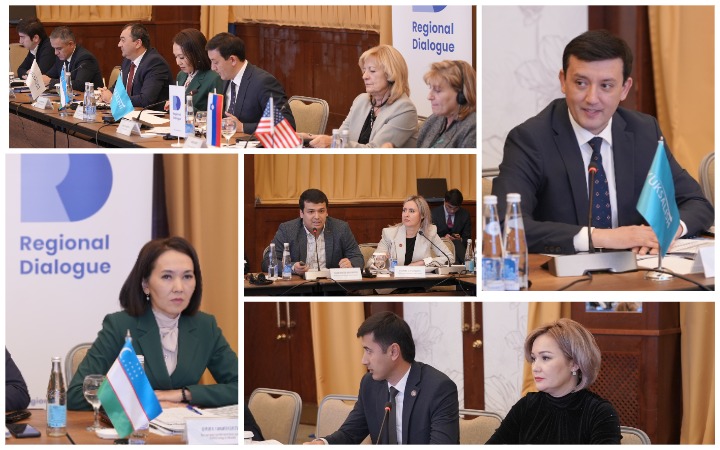
The findings of a study assessing the implementation of recommendations to reduce corruption risks in primary school admission were presented in the capital at a public discussion.
Representatives from parliamentary committees, the Ministry of Preschool and School Education, the Ministry of Digital Technologies, the Anti-Corruption Agency, international organizations, experts, and journalists took part in the discussions.
The goal of the meeting was to present the findings of the assessment of the Ministry of Preschool and School Education's progress on recommendations issued based on a 2021 study conducted under the "Anti-Corruption Laboratory" project. The project, carried out by the Anti-Corruption Agency, the Yuksalish Movement, and the international NGO "Regional Dialogue," assessed corruption risks in primary school admissions.
For reference: the 2021 study identified major corruption factors, including inadequate budget funding and transparency, lack of infrastructure and qualified teaching staff, low wages for school employees, and the absence of a comprehensive integrity and ethics framework for education stakeholders. Based on these findings, 10 key recommendations were developed, addressing 28 measures targeting these critical risk factors.
The project’s working group analyzed changes observed three years after the study, focusing on school admissions, funding, and transparency in infrastructure development.
The research showed that over 88% of schools in the country are not covered by a digital school admissions service. This means that, in most cases, parents need to apply in person, which continues to carry corruption risks in school admissions. The identified shortcomings highlight the need for additional measures to uphold principles of equal access to education.
The study also revealed that adherence to recommended practices helps reduce corruption risk but requires ongoing monitoring and adjustment. These findings will serve as a foundation for developing more effective anti-corruption strategies in the education sector.
During the event, experts discussed the measures implemented to date, particularly emphasizing the need for a unified open data platform to ensure transparency of allocated financial resources. This platform would display school needs, admissions, and expenditures. They also recommended conducting an analytical study on teacher salaries and enshrining ethical leadership in law.
Some measures were noted as partially implemented, such as expanding online admissions coverage to all schools nationwide, raising teacher salaries, reducing school overcrowding, offering university admission benefits to applicants pursuing teaching careers, and others.
Press Service of the Yuksalish Movement